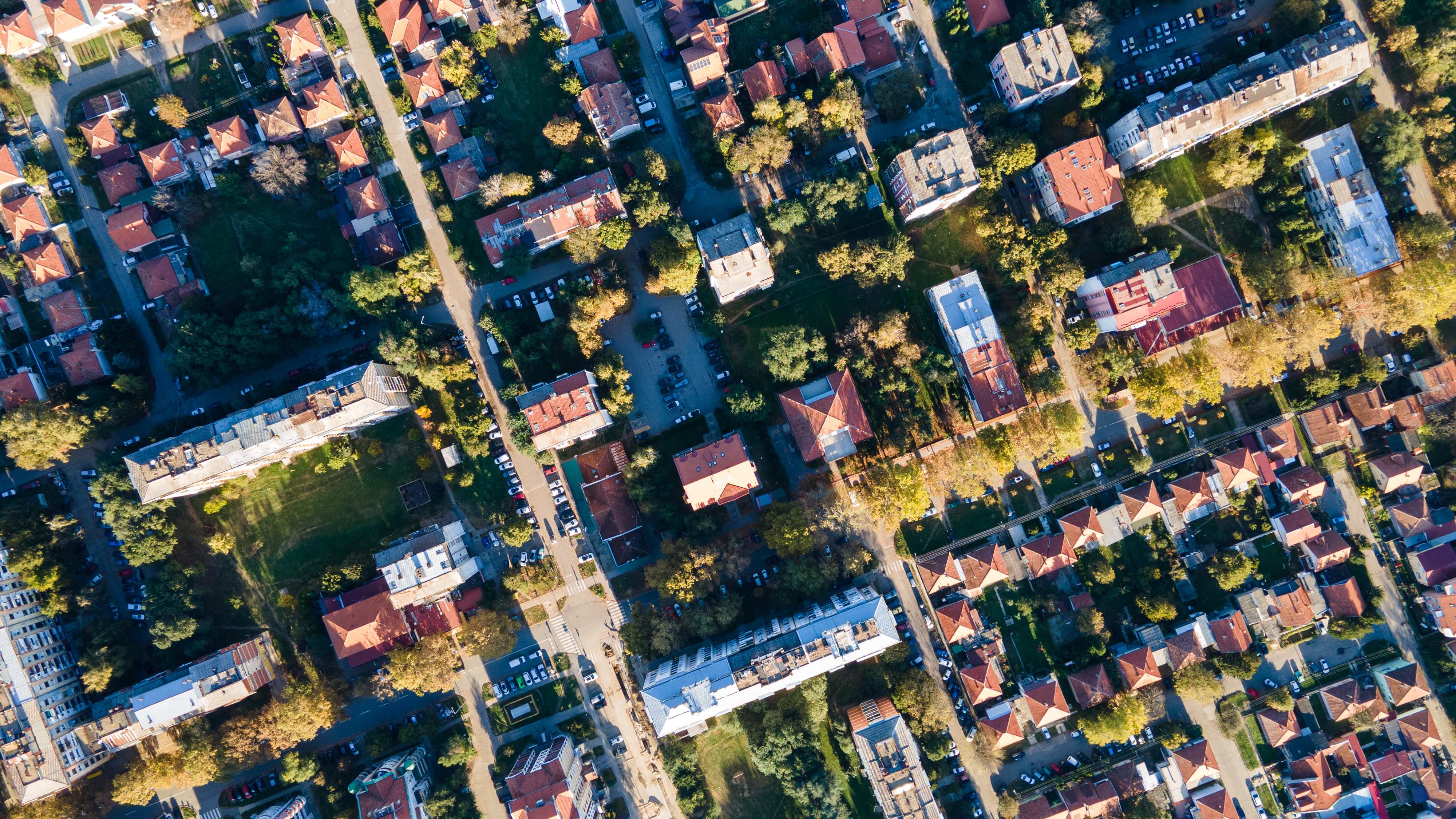
As the dust settles on the 2026-27 state budget season, a powerful and unified theme has emerged across Australia: fixing housing is a critical priority. Faced with ongoing pressure on affordability and supply, state governments have delivered budgets featuring billions in funding aimed at building more homes faster and creating new pathways to home ownership. Two dominant strategies are being utilized—significantly boosting housing supply by cutting red tape and funding supporting infrastructure, and providing direct financial relief to help more people, especially first home buyers, enter the market. Nearly every state has allocated significant funding to unlock land, streamline planning approvals, and invest in enabling infrastructure like water, power, and transport, with the goal of reducing development bottlenecks and getting new homes built more quickly. However, success will depend on execution and coordination between government and industry, particularly as these initiatives intersect with recent federal tax reforms to Capital Gains Tax and negative gearing restrictions, creating a complex landscape where buyers, developers, and investors must navigate new state incentives, federal tax rules, and economic headwinds simultaneously.
Residential